Pixie Cut

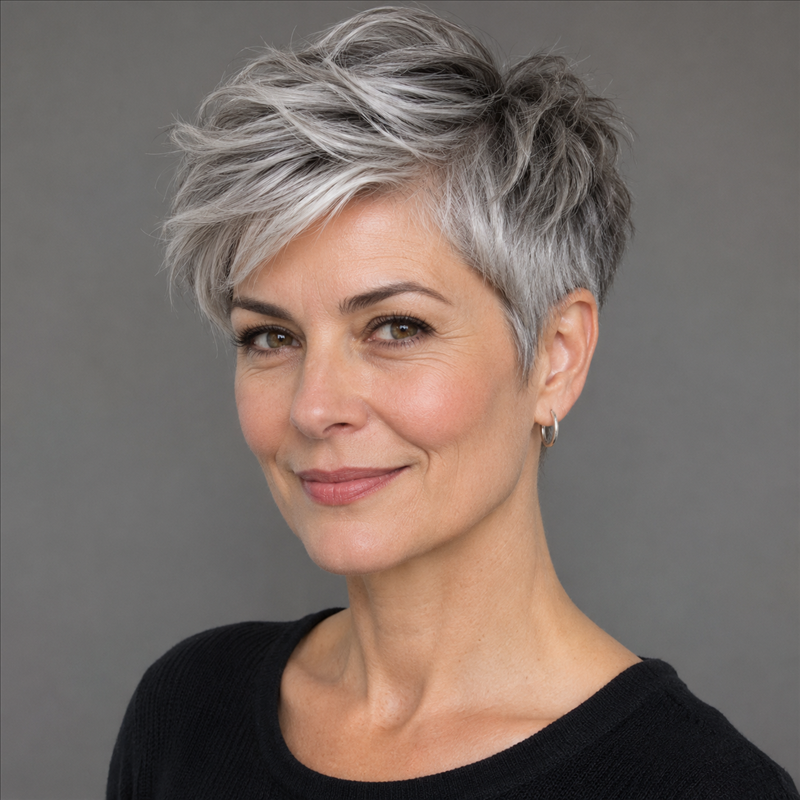
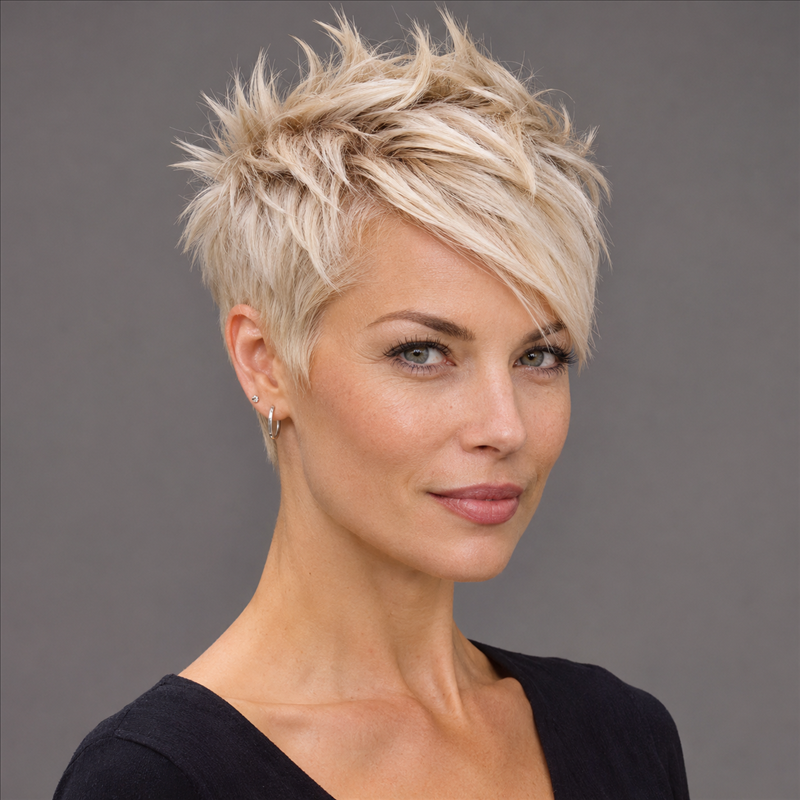
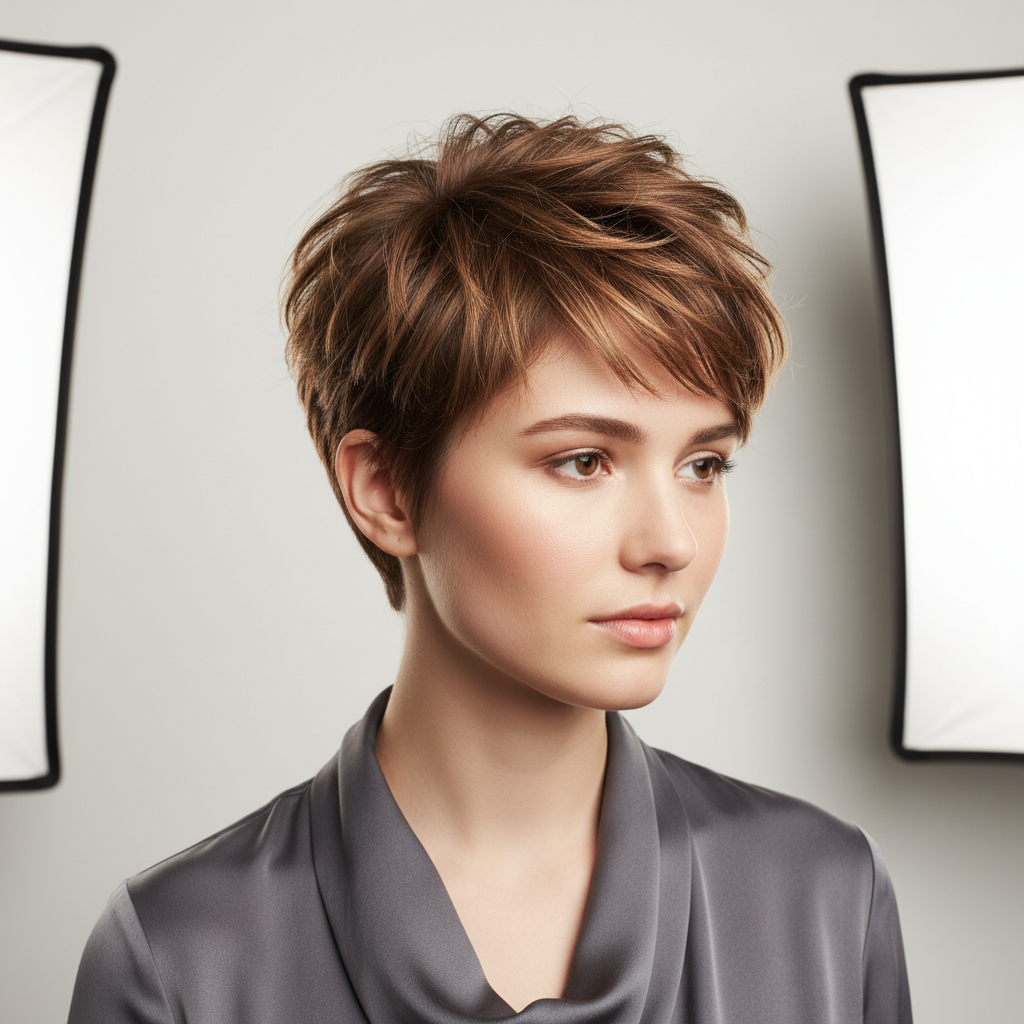
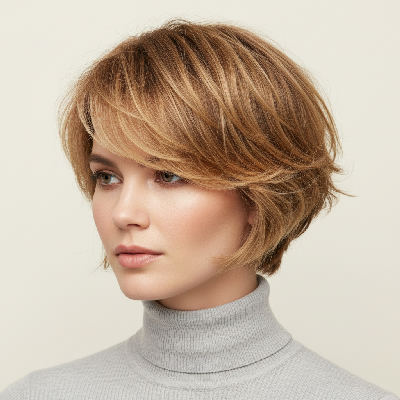
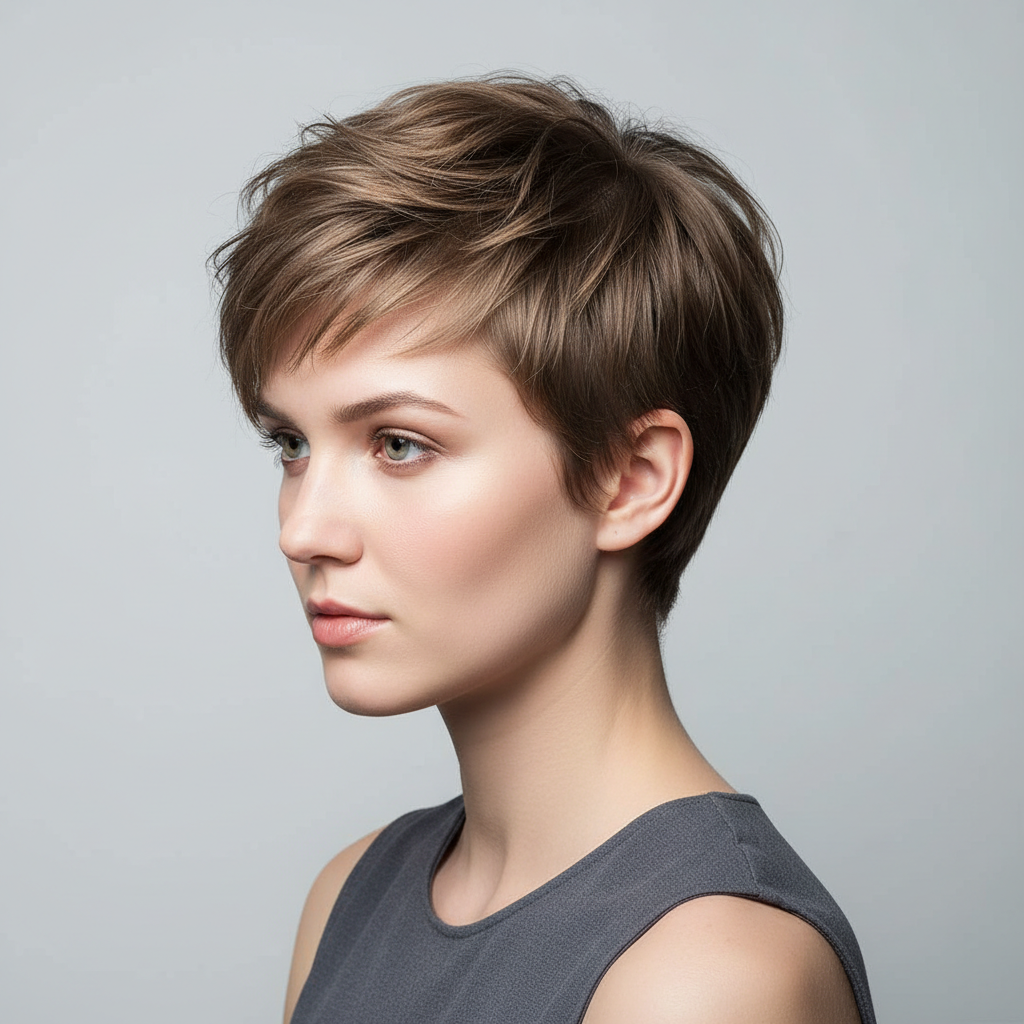
Pixie cut: short haircut with exposed nape and textured crown

A pixie cut opens up the neck and places shape where it matters most: at the crown, around the fringe or near the temples. It can be graphic or airy depending on the texture, making a compact haircut surprisingly versatile.

At a glance

8 details
01
LengthVery short
02
Hair textureVersatile
03
StylingAbout 3–8 min
04
Trim intervalAbout 4–6 weeks
05
ShapeExposed nape
06
FringeOptional
07
VolumeAt the crown
08
MaintenanceRegular trims

Who this haircut suits

  • A pixie can be tailored to different features: temple length, fringe shape and crown volume all change the overall effect.
  • Fine hair may benefit from gentle root lift; thick or wavy hair can be shaped to manage its natural body and movement.
  • It suits people who are comfortable with regular outline trims, especially around the nape and temples.

These are general pointers. Choose the exact length and shape with your stylist, considering your growth pattern, texture and routine.

Styling options: step by step

Soft lift and shape

  1. 1Apply heat protectant and a little root mousse to damp hair.
  2. 2Blow-dry with your fingers, lifting the crown and directing the fringe to one side.
  3. 3Use a small amount of cream to define a few pieces if needed.
  4. 4Set with a light mist of hairspray from a distance.
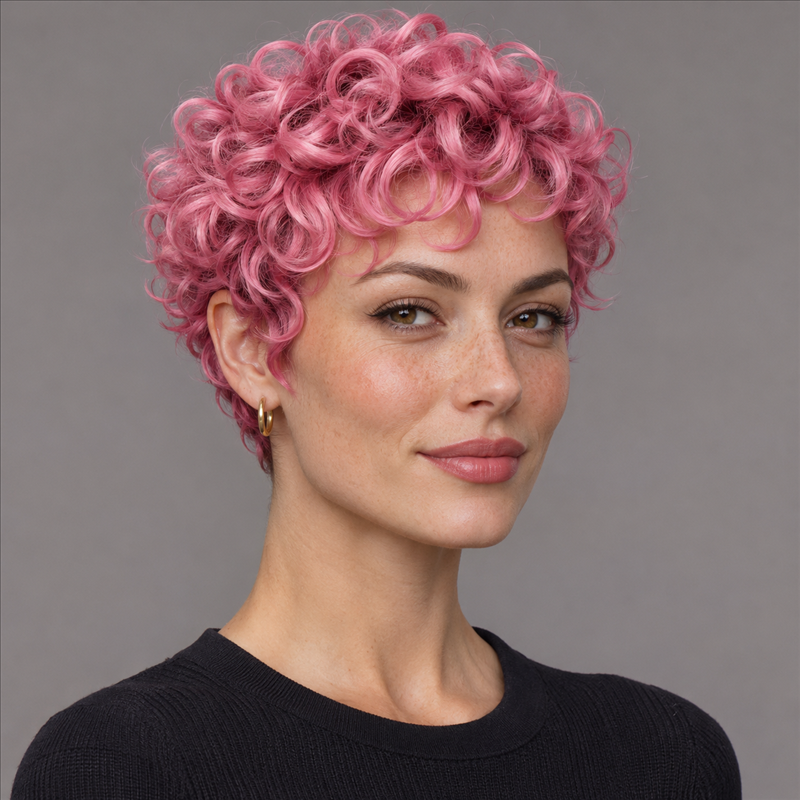
Piecey texture

  1. 1Dry the hair fully while lifting the roots with your fingers.
  2. 2Warm a small amount of matte paste or wax between your palms.
  3. 3Work it through the crown and ends, separating a few pieces without weighing the short hair down.
  4. 4Shape the fringe to the side or leave it loose with your fingertips.

History and aesthetics

From cinema icon to a symbol of freedom

1950s — a defining moment in its popular image

The modern pixie is often associated with Audrey Hepburn and the 1953 film Roman Holiday, while Jean Seberg also helped make very short women’s hair more visible.

Across later decades, the cut moved between sleek, playful, structured and soft versions. Small adjustments to length and texture can dramatically change its mood.

Historical source: Vogue — history of the pixie cut ↗

Good to know

It highlights facial features and the head shape; the outline usually needs regular trims.

What to ask your stylist

Ask for a short nape, textured top and a fringe designed for your face.

More variations of this haircut

Related hairstyles